Menu

Natural Ayurvedic Remedies for Women's Joint Pain Relief in Balewadi

Understanding Ayurvedic Concepts for Joint Pain Relief in Balewadi

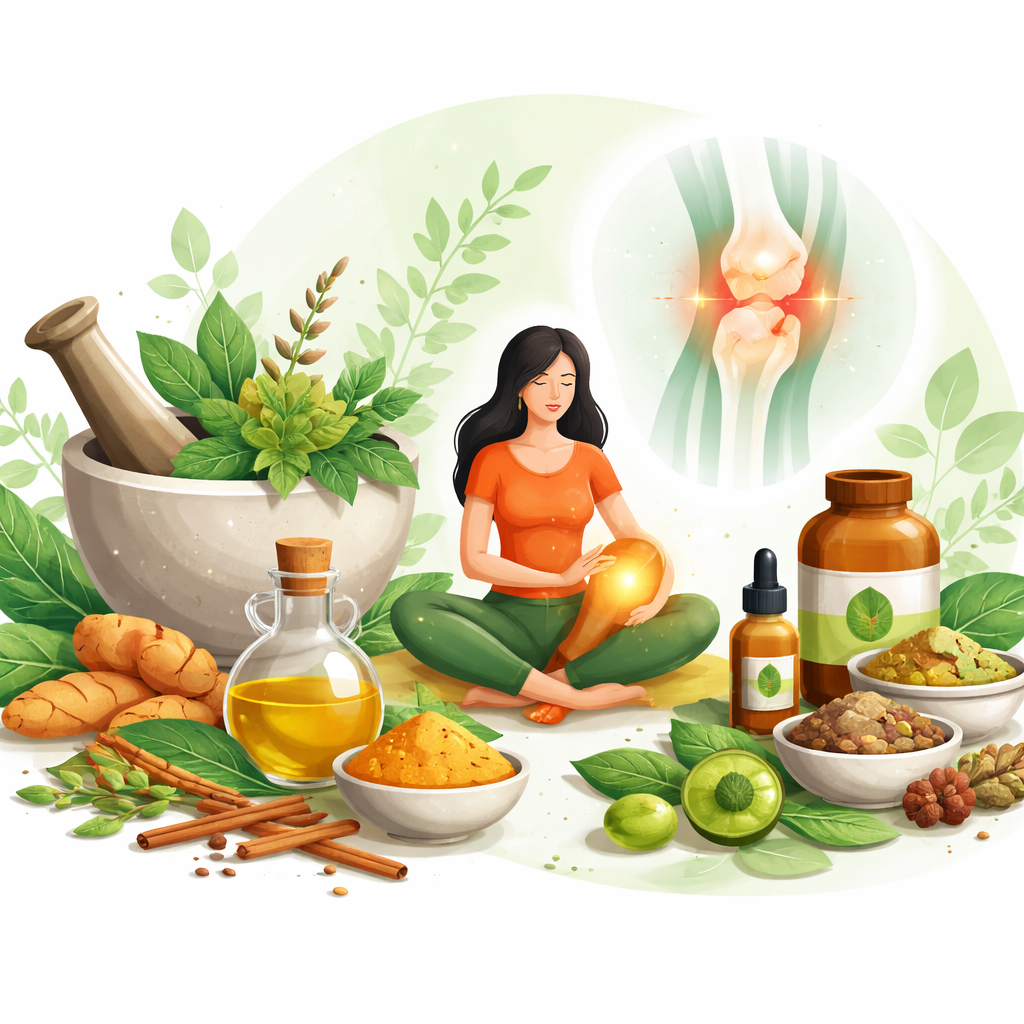
Ayurveda, an ancient system of medicine from India, provides a comprehensive approach to health that emphasizes balance and harmony. For women experiencing joint pain, understanding the fundamental concepts of Ayurveda is essential. This holistic system classifies individuals based on doshas, which are biological energies — Vata, Pitta, and Kapha — that govern bodily functions. Joint pain in women often correlates with imbalances in these doshas, particularly Vata, which governs movement and is associated with space and air. A Vata imbalance can lead to dryness, cracking, and pain in the joints. The Ayurvedic approach to managing joint pain focuses on restoring this balance through diet, herbs, and lifestyle changes. By understanding your specific dosha, personalized treatments can be crafted to address the root of the pain naturally, providing long-term relief. Ayurved
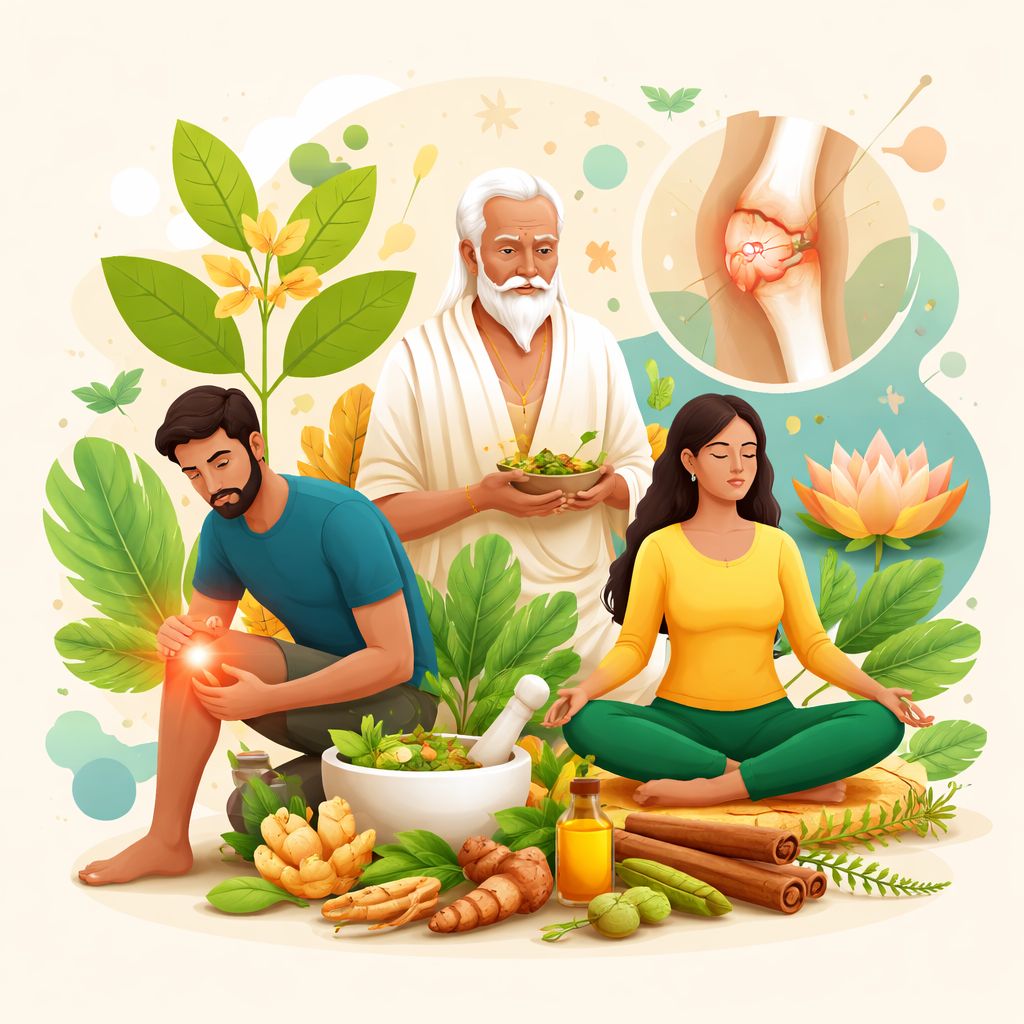
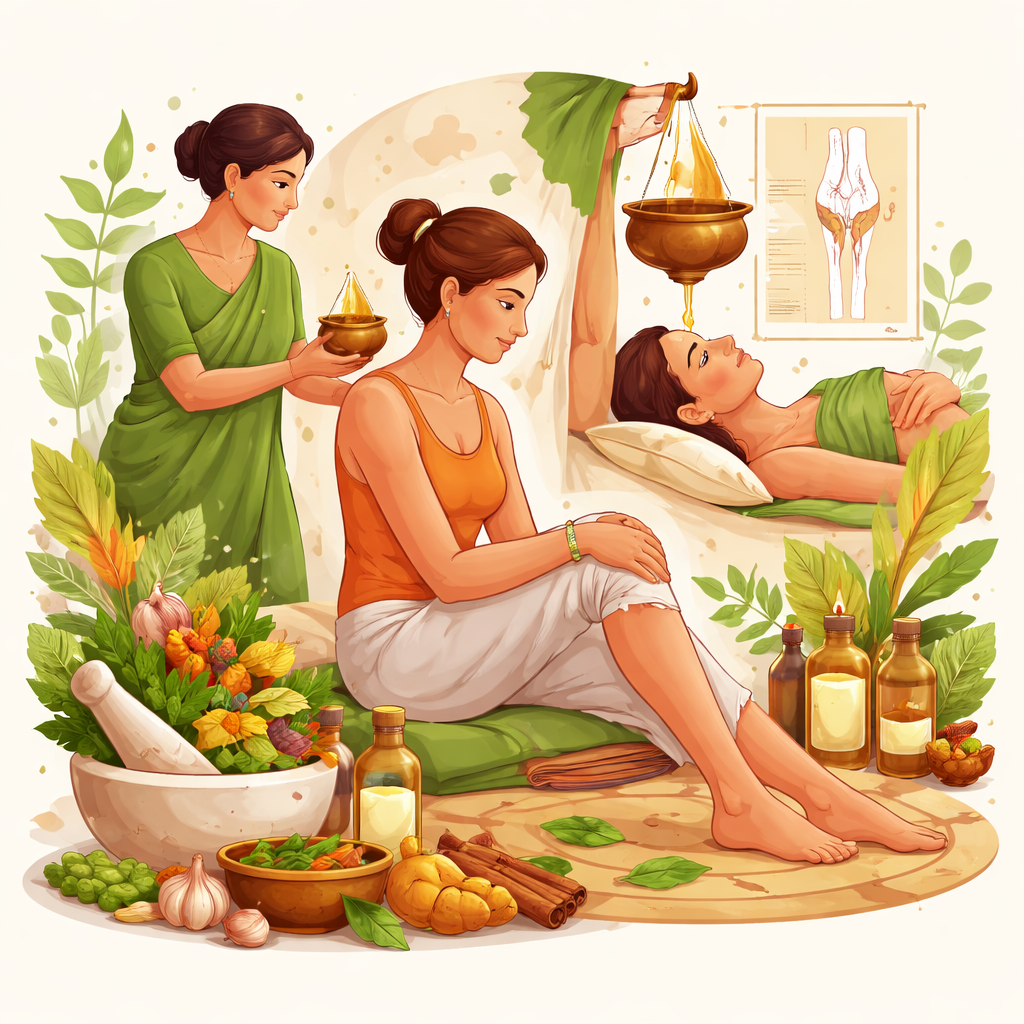
a encourages the use of specifics like oil massages (Abhyanga) with medicated oils to nourish the tissues and improve circulation. Herbal formulations like Ashwagandha, Boswellia, and Turmeric are revered for their anti-inflammatory properties, aiding in reducing joint swelling and alleviating discomfort. A practitioner might also recommend Panchakarma, a detoxification therapy, to eliminate toxins and enhance health. Through such personalized care, Ayurveda not only aims to relieve joint pain but also enhances overall wellbeing, offering a profound approach that respects the body's natural rhythms and healing abilities.

Effective Ayurvedic Herbs and Formulas for Joint Pain in Balewadi

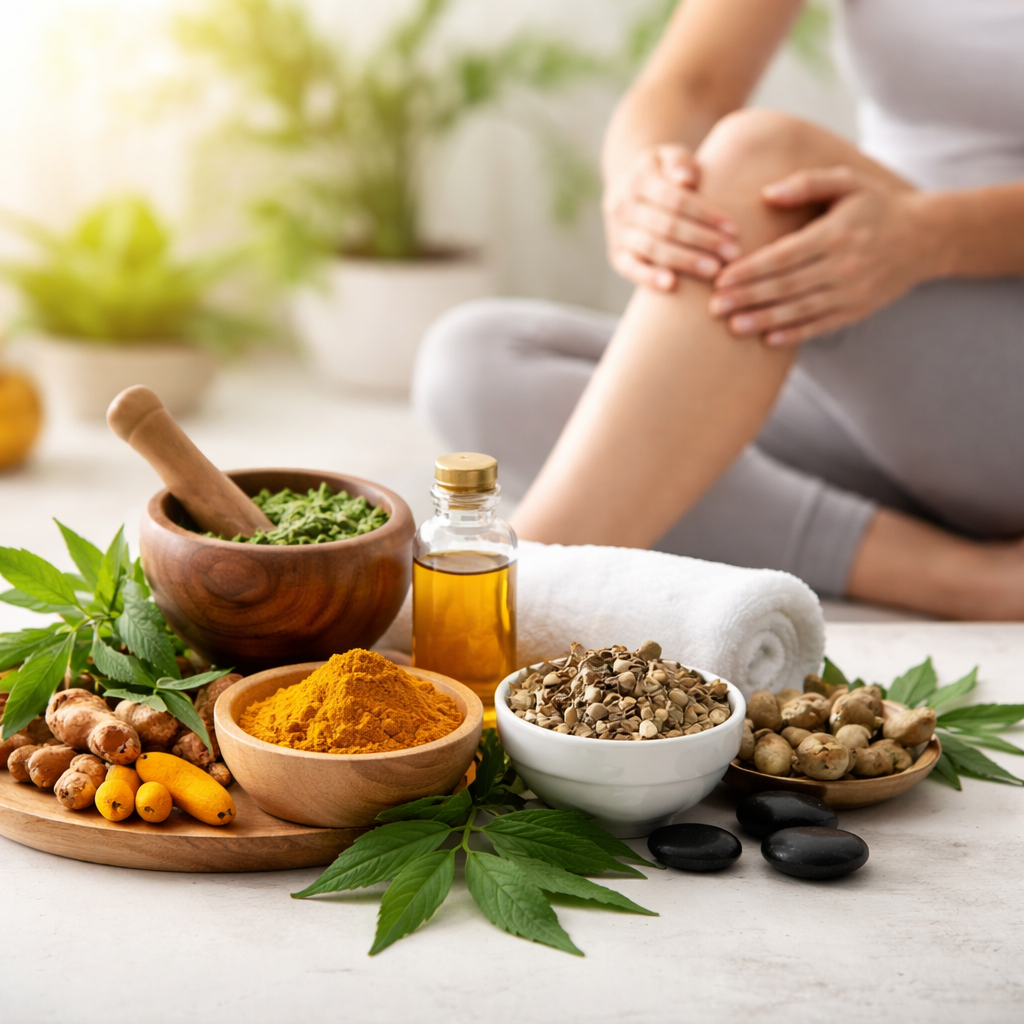
Ayurvedic medicine harnesses the power of natural herbs to combat joint pain efficiently. For women seeking natural alternatives, Ayurveda offers herbs like Ashwagandha, known for its rejuvenating properties, which helps in reducing inflammation and strengthening joint structures. Another potent herb, Gugulipid, derived from the Guggul plant, is famous for its effectiveness in managing conditions like arthritis. Boswellia, or Indian Frankincense, is another essential herb that provides profound relief through its strong anti-inflammatory characteristics, improving mobility and reducing pain. Turmeric, particularly its active component Curcumin, is highly valued in Ayurveda for its capability to naturally diminish inflammation and joint discomfort. These herbs can be consumed in various forms, such as teas, powders, and supplements, tailored to individual needs. Ayurvedic practitio
ners often recommend formulations like Triphala for detoxifying the body, which can indirectly aid in managing joint pain by enhancing digestive health and nutrient absorption. Furthermore, combining these herbs with practices such as yoga and meditation can create a synergistic effect, promoting relaxation and natural healing processes. For the best results, consulting with a qualified Ayurvedic practitioner is key to determining the right herbs and their appropriate dosages suited to one’s specific constitution and condition.

Ayurvedic Diet and Lifestyle Modifications for Joint Health in Balewadi

In Ayurveda, diet and lifestyle are considered crucial pillars for maintaining joint health and overall wellness. Women suffering from joint pain are encouraged to adopt dietary habits that balance their doshas, focusing particularly on pacifying Vata dosha, which is often responsible for joint issues. A warm, moist, and nourishing diet can greatly aid in reducing Vata imbalances. Foods such as warm soups, cooked grains, and spices like ginger and garlic are beneficial. Avoiding cold, dry foods and caffeine can significantly improve joint conditions. Moreover, incorporating healthy fats like ghee and oils can help lubricate joints. In addition to diet, lifestyle plays a vital role where daily routines called Dinacharya adjust one's body clock. Practices like regular yoga and stretching exercises are highly recommended, enhancing flexibility and strength without stressing the joints. Earl
y rising and establishing a sleep routine support bodily rejuvenation. Abhyanga, or daily oil massage, especially with sesame or olive oil, is endorsed to nourish and strengthen bones and muscles. Lastly, stress management through meditation and pranayama (breathing exercises) complements the physiological efforts by providing mental peace, which is crucial for fostering a holistic healing environment.

Ayurvedic Therapies for Managing Women's Joint Pain in Balewadi

Ayurvedic therapies offer a range of treatments that focus on nurturing and healing the body naturally. For women battling joint pain, therapies like Abhyanga—a warm oil massage—are renowned for their ability to enhance flexibility and relieve stiffness. These massages use herbal oils that penetrate deeply into the tissues, promoting blood circulation and reducing inflammation. Shirodhara, which involves pouring warm oil over the forehead, can deeply relax the nervous system, providing holistic benefits for chronic pain management. Additionally, the practice of Basti, or medicated enema, targets cleansing the colon—a Vata site—effectively eliminating stored toxins that might cause joint pain. Kati Basti focuses specifically on the lower back, offering concentrated relief and nourishment to aching areas. Another essential therapy is Swedana, a herbal steam treatment that opens swe
at glands and aids in detoxification, which can indirectly relieve joint pain. By integrating these therapies with a tailored Ayurvedic regimen, women can experience profound relief from joint discomfort. It's important to note that receiving these therapies under the guidance of skilled practitioners ensures safety and maximizes their potential benefits. Regular application of such methods encourages a balanced and vigorous lifestyle, naturally combating joint pain while enhancing vitality.

Frequently Asked Questions

What is the Ayurvedic approach to treat joint pain in women?
Ayurveda treats joint pain in women by focusing on balancing the body's doshas—Vata, Pitta, and Kapha. It emphasizes using natural herbs like Ashwagandha and Turmeric, dietary adjustments, and specific therapies such as Abhyanga massage to reduce inflammation and enhance joint health, tailoring solutions to individual needs.
Which Ayurvedic herbs are best for joint pain relief?
Key Ayurvedic herbs for joint pain include Ashwagandha, known for its rejuvenating effects, Boswellia which is highly anti-inflammatory, and Turmeric rich in Curcumin. These herbs offer natural alternatives to manage discomfort, when administered correctly, considering the individual's specific dosha and health condition.
How does diet influence joint pain according to Ayurveda?
In Ayurveda, diet plays a crucial role in joint pain management. Foods that pacify the Vata dosha like warm soups, and healthy fats such as ghee, help lubricate and nourish the joints. Avoiding cold, dry foods and introducing spices like ginger enhance digestion and reduce joint discomfort naturally.
What lifestyle changes are recommended in Ayurveda for joint pain?
Ayurveda suggests lifestyle modifications such as regular yoga, oil massages, and a consistent daily routine to alleviate joint pain. Practices like pranayama and meditation help manage stress, enhancing overall well-being. Avoiding physical stress and ensuring adequate rest and sleep support natural joint health.
Are there specific Ayurvedic therapies for chronic joint pain?
Yes, Ayurveda offers therapies like Abhyanga, Basti, and Swedana, targeting chronic joint pain. Abhyanga uses herbal oils for deep tissue massage, Basti focuses on detoxifying the colon, and Swedana involves herbal steam that detoxifies the body, promoting relief and enhancing joint mobility.
Call Us Now
Chat With Us