Menu

Discover Ayurvedic Diet for Hormonal Balance in Baner

Understanding the Ayurvedic Approach to Hormones in Baner

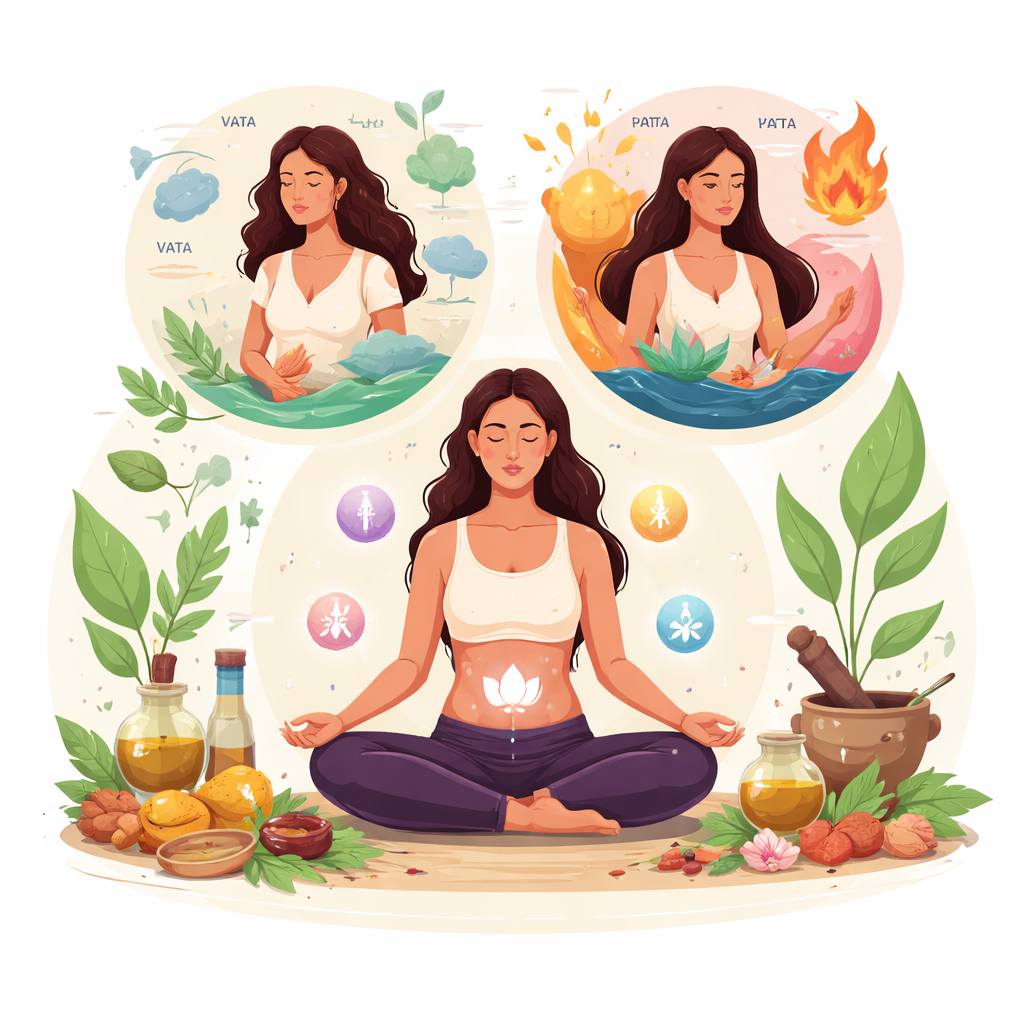
Ayurveda, a holistic science dating back thousands of years, offers a personalized approach to hormonal balance by considering individual body types or "doshas" - Vata, Pitta, and Kapha. Each dosha represents a blend of physical, mental, and emotional characteristics that need to be balanced for optimal health, particularly with respect to hormones. According to Ayurveda, imbalances in these doshas often lead to hormonal issues that can manifest in various forms such as irregular periods, mood swings, and other endocrine-related problems. Ayurveda suggests we can manage these issues through diet tailored to each dosha. For instance, a Vata-pacifying diet includes warm, mushy foods like cooked grains and root vegetables, which help in grounding the airy Vata, while avoiding raw foods that may increase imbalance. Such natural nutrition approaches emphasize the importance of m
ind-body harmony and are gaining popularity as people seek sustainable, drug-free options to manage health. Unlike modern medicine, Ayurveda focuses on long-term solutions that integrate everyday dietary practices with an understanding of nature’s rhythms and one’s personal constitution. The effectiveness of an Ayurvedic diet lies in its ability to regulate hormones by aligning your lifestyle with everyday natural cycles, thereby promoting overall well-being.
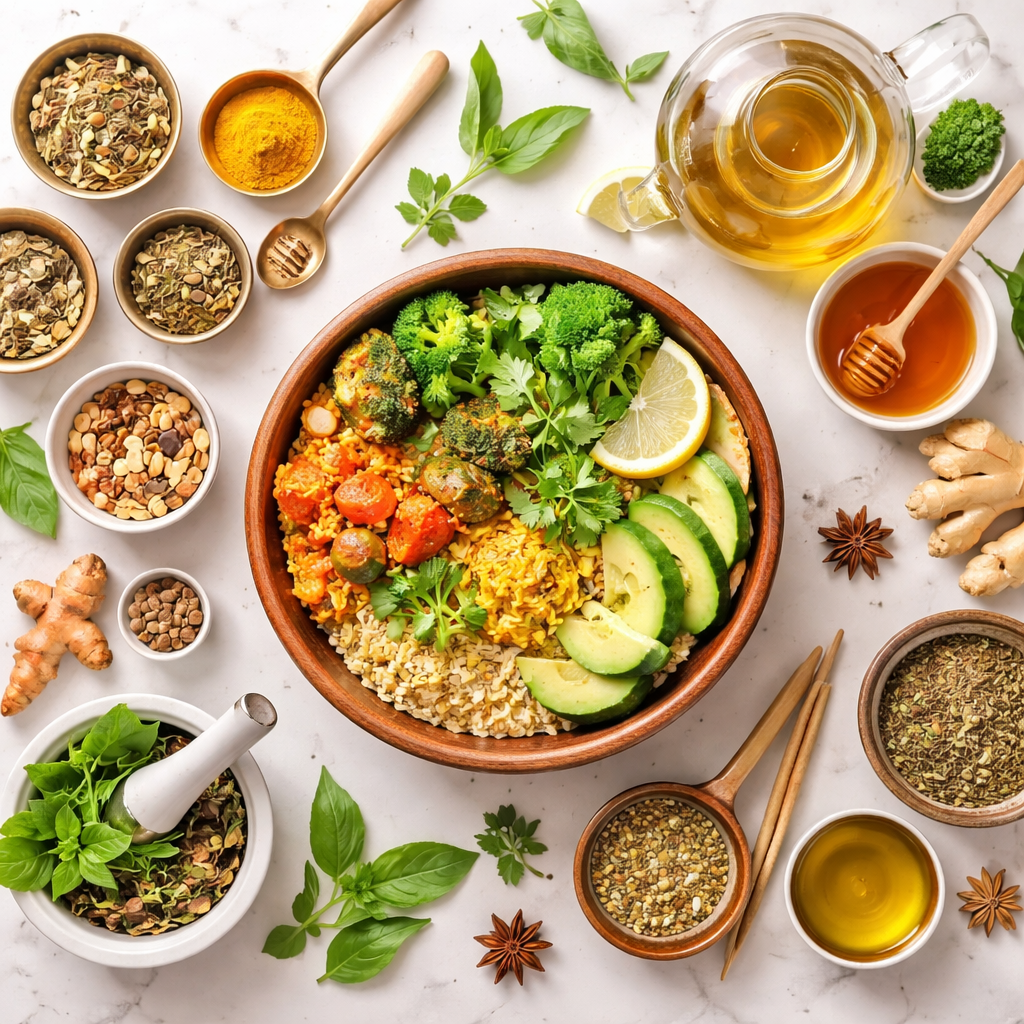
Key Ayurvedic Foods for Hormonal Balance in Baner

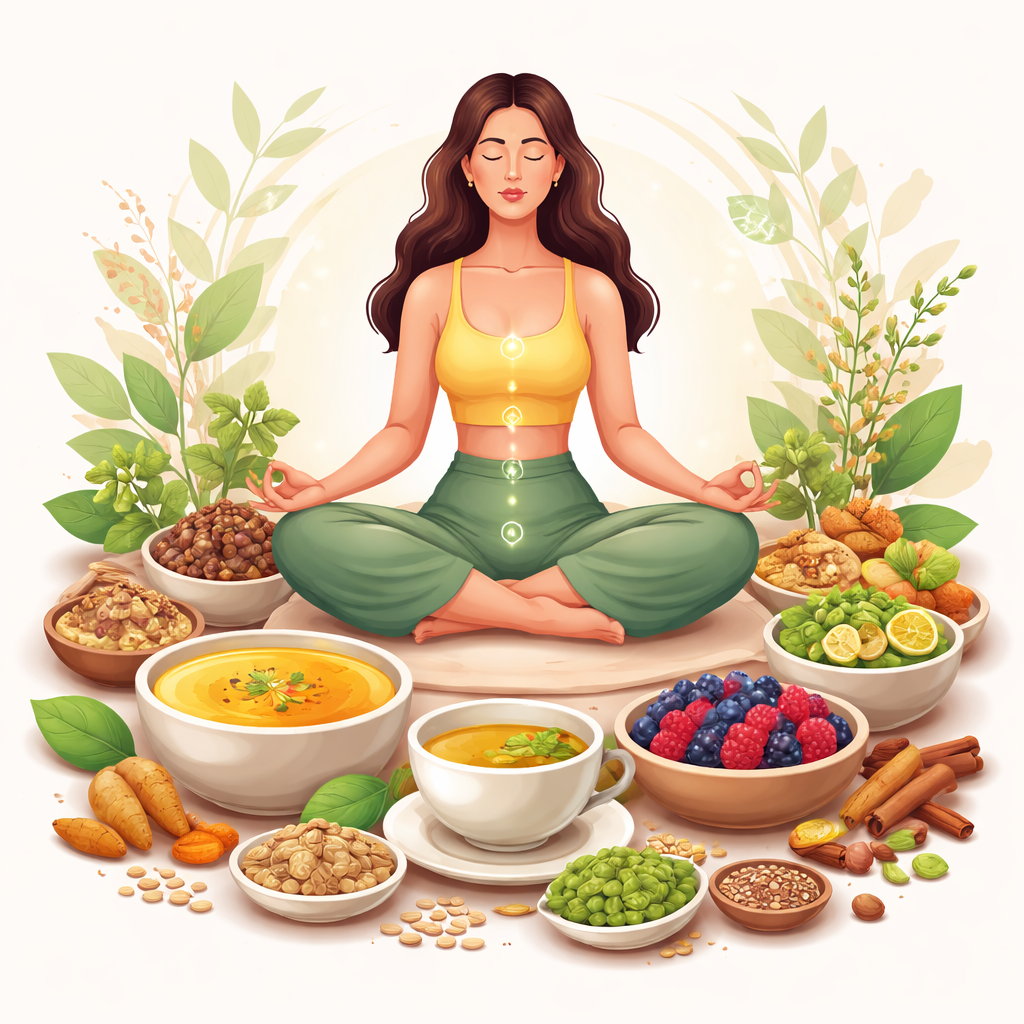
Central to the Ayurvedic strategy for hormonal balance are foods that nourish the body while calming, or energizing, the doshas. Spices like turmeric, cumin, and fennel are highly valued for their anti-inflammatory benefits, aiding in reducing stress-induced hormonal imbalances. Fresh fruits, nuts, and seeds provide essential fatty acids and other nutrients that support endocrine functions. Dairy products like milk and ghee are used in moderate amounts to pacify Pitta dosha, which when imbalanced can lead to heated emotional and physical state. The concept of "food as medicine" is embedded within Ayurveda, focusing on fresh, organic produce that is not overly processed or chemically treated. By eating seasonal foods and consuming meals in a mindful manner, Ayurveda suggests you can enhance your body’s natural ability to self-regulate. These ayurvedic foods, when chosen ba
sed on individual doshic needs, can harmonize bodily functions and lead to improved mood and energy levels. The integration of such dietary modifications is directed not just towards symptom management but towards achieving a state of complete health, making an Ayurvedic diet both a preventive and restorative practice.

Ayurvedic Principles for Achieving Hormonal Harmony in Baner

Navigating hormonal health through Ayurveda involves understanding and applying its core principles to daily living. This includes Dinacharya, or daily routine, which supports hormone regulation by syncing with the body’s natural rhythms. For instance, eating at the same time every day can help stabilize digestive and metabolic cycles, thus supporting hormonal balance. Similarly, Ritucharya, or seasonal routine, ensures that dietary habits adjust according to seasonal changes, helping the body adapt to varying climates and demands. Additionally, Ayurvedic texts emphasize the importance of Agni—or digestive fire—considered pivotal to health. A strong Agni leads to effective metabolism and assimilation of nutrients, directly affecting hormonal balance. Incorporating these principles means embracing practices such as meditation, yoga, and regular sleep patterns that not only promote <
b>hormonal harmony but also enhance holistic wellness. Ayurveda views mental health as integral to physical health, thus techniques like pranayama (breathing exercises) help in reducing stress, a significant disruptor of hormonal balance. By embracing these timeless wisdoms, the Ayurvedic diet becomes a lifestyle that echoes the rhythms of nature.

Practical Steps to Implement an Ayurvedic Diet for Hormonal Health in Baner

Embarking on an Ayurvedic lifestyle for hormonal balance starts with understanding your dosha, potentially with the guidance of an Ayurvedic practitioner. Once identified, you can implement specific dietary recommendations that cater to your unique constitution. Pacing the transition is key, beginning with small, manageable shifts such as incorporating more whole foods reflective of your doshic requirements. Gradually introduce more targeted practices like periodic fasting and detoxifying through Ayurvedic herbs such as ashwagandha and shatavari, which are renowned for their hormone-supporting properties. Staying hydrated with warm or room temperature fluids, and consuming meals mindfully without distraction, are other integral practices in Ayurveda. These practices not only enhance nutrient absorption but also promote mental presence. Establishing such habits can significantly ai
d in personal hormone health, tapping into the body's restorative capabilities. For those seeking additional support, investing time in learning meditation or yoga can be transformative, complementing dietary practices by increasing overall vitality and emotional balance. A commitment to an Ayurvedic diet tailored for hormonal balance can lead to profound changes, fostering a pathway to natural wellness and longevity.

Frequently Asked Questions

How does an Ayurvedic diet help with hormonal balance? ➤
An Ayurvedic diet helps balance hormones by aligning food choices with individual body types or doshas, thus promoting natural harmony. It emphasizes whole foods, spices, and herbs that support endocrine function and reduce stress. By focusing on seasonal and dosha-specific nutrition, it aids in stabilizing hormone levels effectively.
What are the best Ayurvedic foods for hormonal health? ➤
Some of the best Ayurvedic foods for hormonal health include turmeric, cumin, and fennel for their anti-inflammatory properties. Seasonally fresh fruits, nuts, seeds, and dairy like ghee also play vital roles. These foods support digestive health and metabolic processes, contributing to balanced hormone levels.
Can Ayurveda help with hormonal imbalances naturally? ➤
Yes, Ayurveda offers natural solutions for hormonal imbalances through personalized diet and lifestyle adjustments. By recognizing individual dosha imbalances, one can integrate specific foods and practices such as yoga, meditation, and herbal remedies to promote balance, making it a holistic approach to hormonal health.
Is it necessary to consult a practitioner to follow an Ayurvedic diet? ➤
Consulting an Ayurvedic practitioner can be beneficial when following an Ayurvedic diet for hormonal balance. Practitioners can accurately identify your dosha and tailor dietary advice and herbal supplements that suit your individual needs, enhancing the effectiveness of the diet for your specific hormonal challenges.
What lifestyle changes are recommended alongside an Ayurvedic diet? ➤
Alongside an Ayurvedic diet, lifestyle changes such as maintaining a regular sleep schedule, practicing yoga, and engaging in calming activities like meditation are highly beneficial. These practices enhance mind-body harmony, reduce stress, and further support the diet's role in regulating hormonal levels effectively.
Call Us Now
Chat With Us