Understanding the Ayurvedic Approach to Hormones in Sus
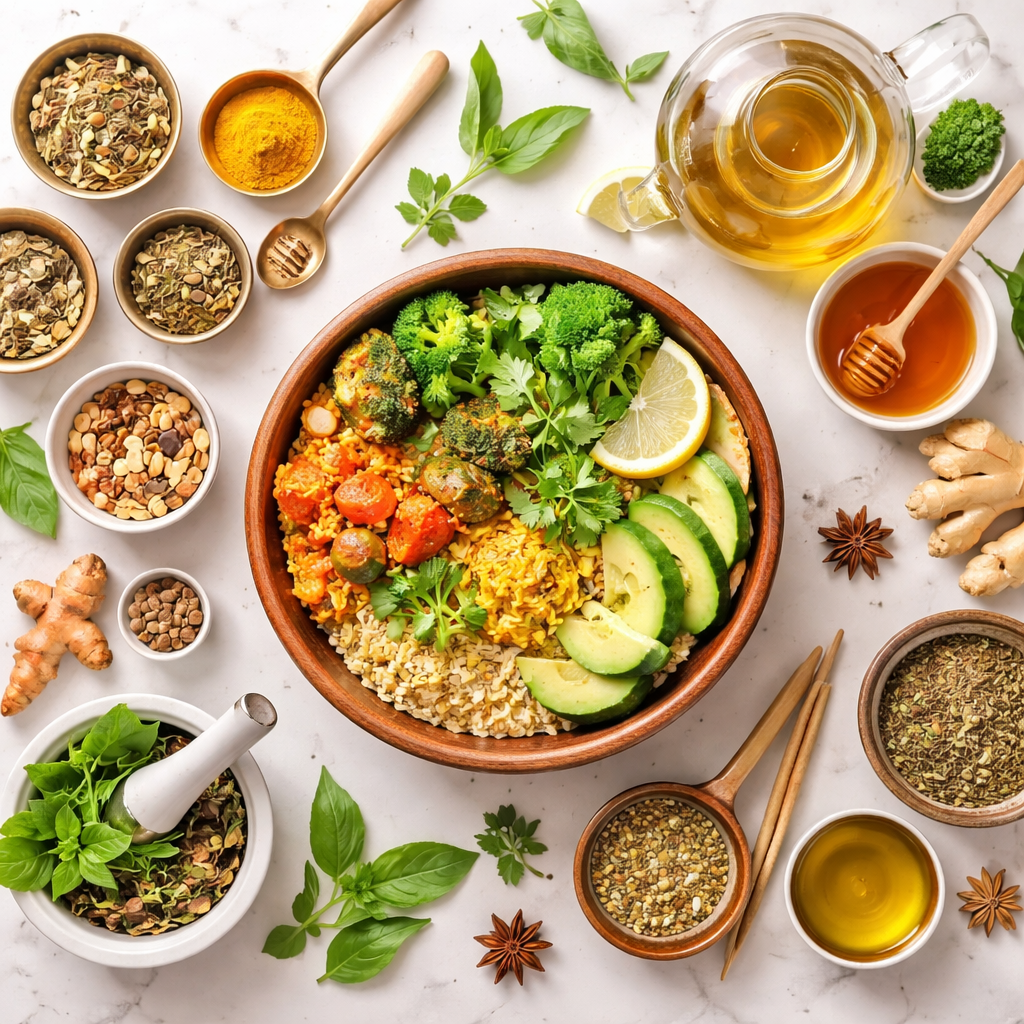
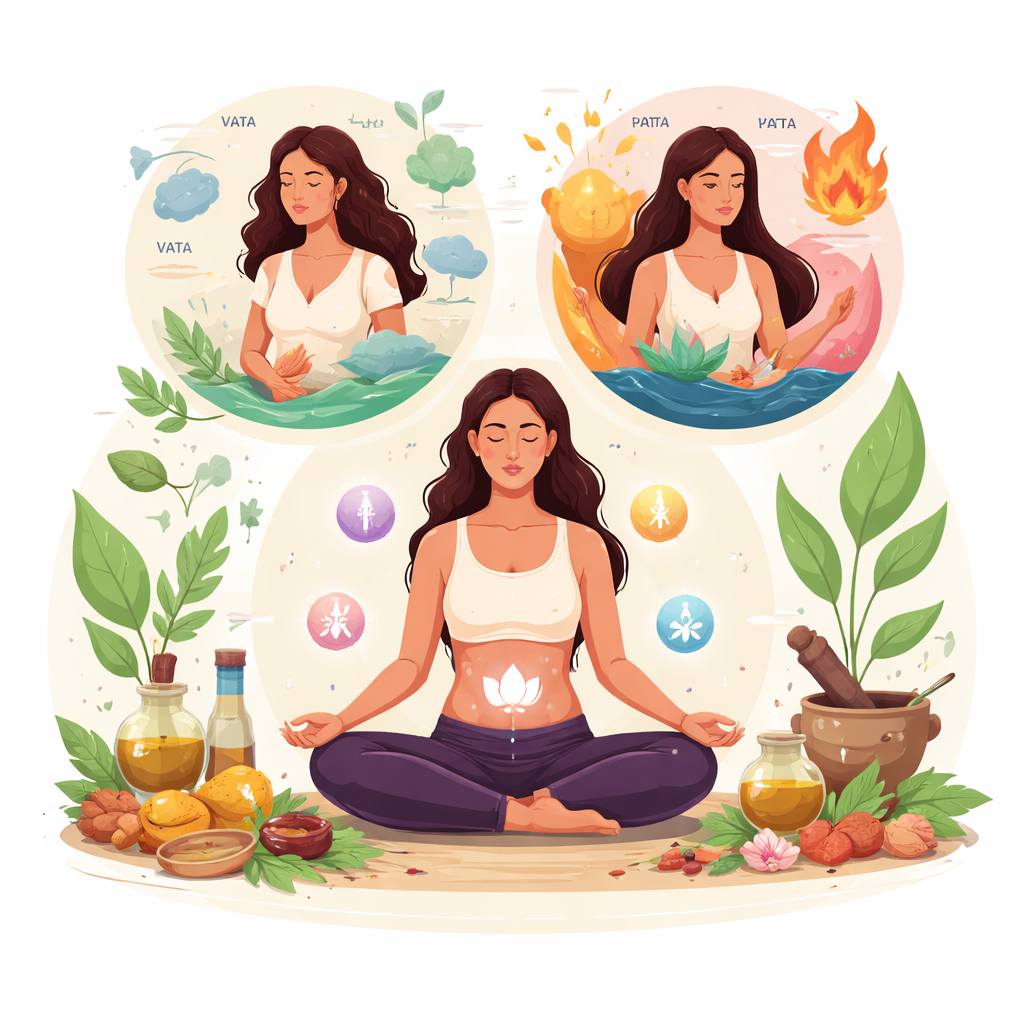
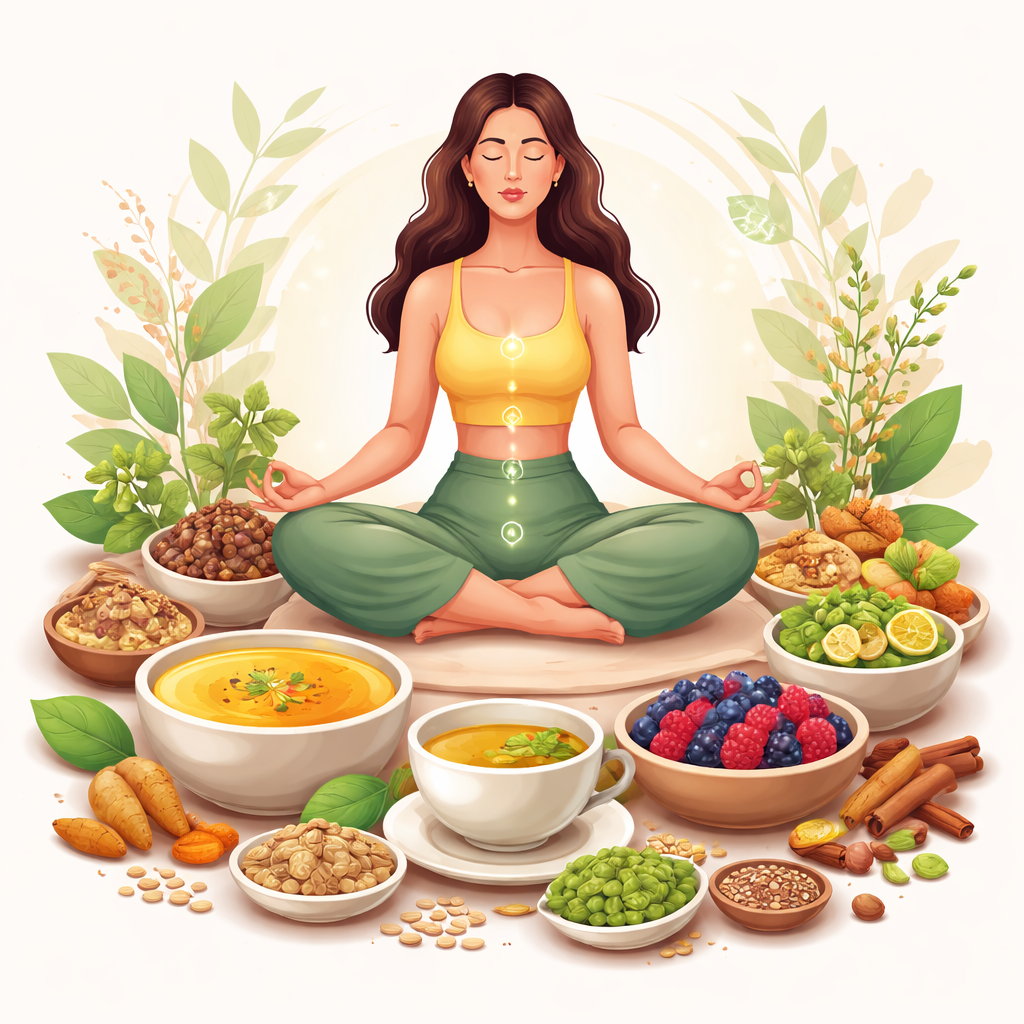
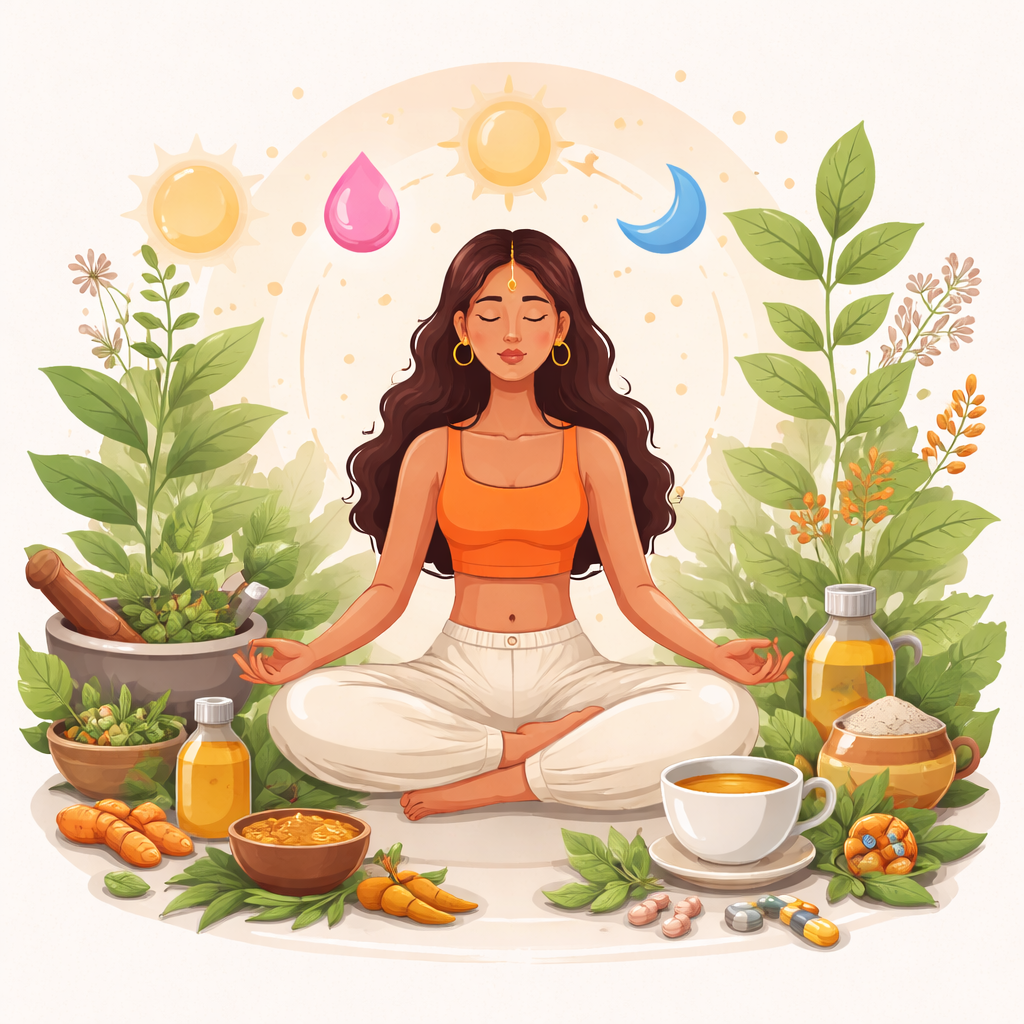
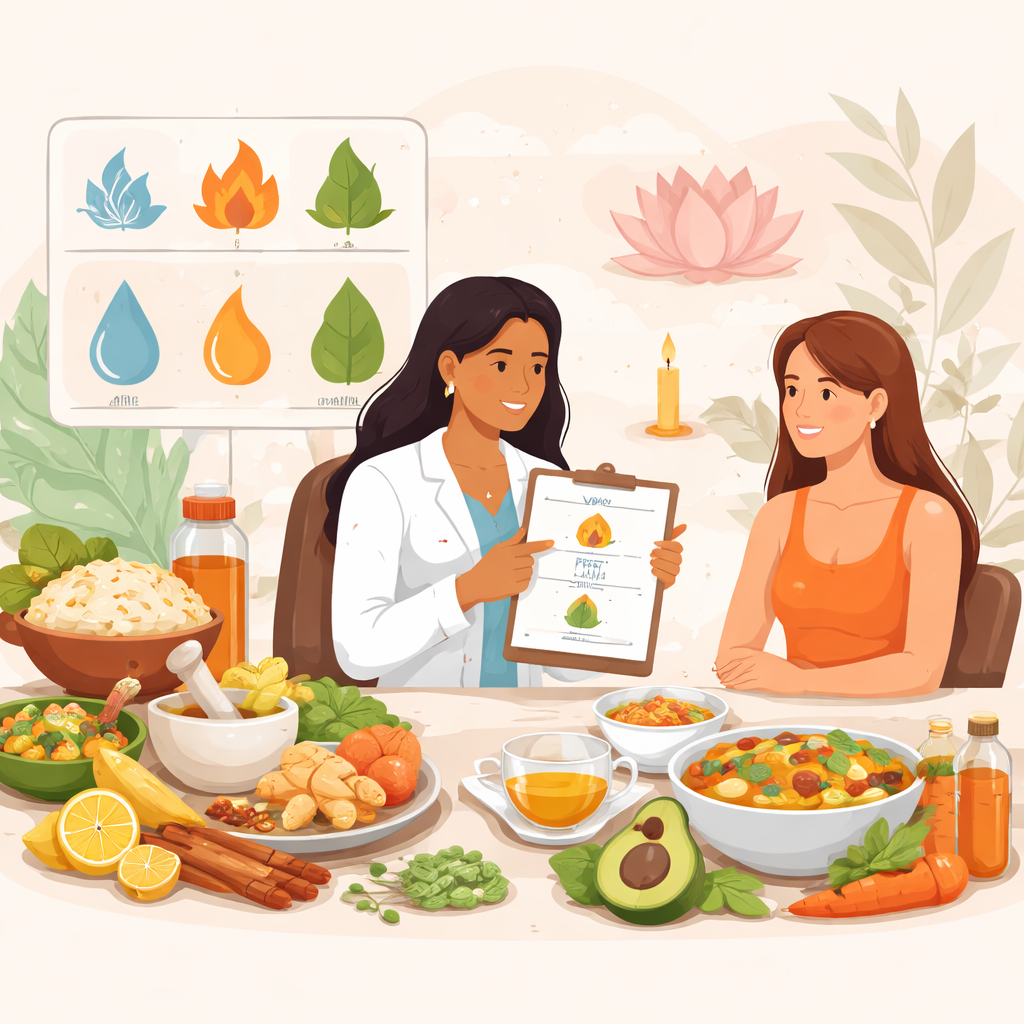
Ayurveda, a holistic science dating back thousands of years, offers a personalized approach to hormonal balance by considering individual body types or "doshas" - Vata, Pitta, and Kapha. Each dosha represents a blend of physical, mental, and emotional characteristics that need to be balanced for optimal health, particularly with respect to hormones. According to Ayurveda, imbalances in these doshas often lead to hormonal issues that can manifest in various forms such as irregular periods, mood swings, and other endocrine-related problems. Ayurveda suggests we can manage these issues through diet tailored to each dosha. For instance, a Vata-pacifying diet includes warm, mushy foods like cooked grains and root vegetables, which help in grounding the airy Vata, while avoiding raw foods that may increase imbalance. Such natural nutrition approaches emphasize the importance of m
ind-body harmony and are gaining popularity as people seek sustainable, drug-free options to manage health. Unlike modern medicine, Ayurveda focuses on long-term solutions that integrate everyday dietary practices with an understanding of nature’s rhythms and one’s personal constitution. The effectiveness of an Ayurvedic diet lies in its ability to regulate hormones by aligning your lifestyle with everyday natural cycles, thereby promoting overall well-being.